
Supporting Whole-Horse Wellness
At Forest Edge Therapy, everything we do is rooted in the belief that horses deserve to feel safe, comfortable, and understood. Whether that is Equine Integrated Bodywork, supporting people with positive reinforcement training, or their own well-being which impacts the horse our approach is all about nurturing the whole horse—body, mind, and soul. As many of our valued clients and supporters know we are all passionate about gentle, science-based ways of supporting horses and their guardians. This month, we focus on the work of Helen Gilbert.

One of the key frameworks that guides the work Helen does with horses is the Five Domains Model of Animal Welfare (Fig 1). This model helps us look at a horse’s wellbeing from every angle, ensuring that every horse we work with isn’t just coping but truly thriving. The first four focus on the physical and tangible needs of the horse; whilst the fifth shows how these experiences shape their emotional and mental wellbeing.
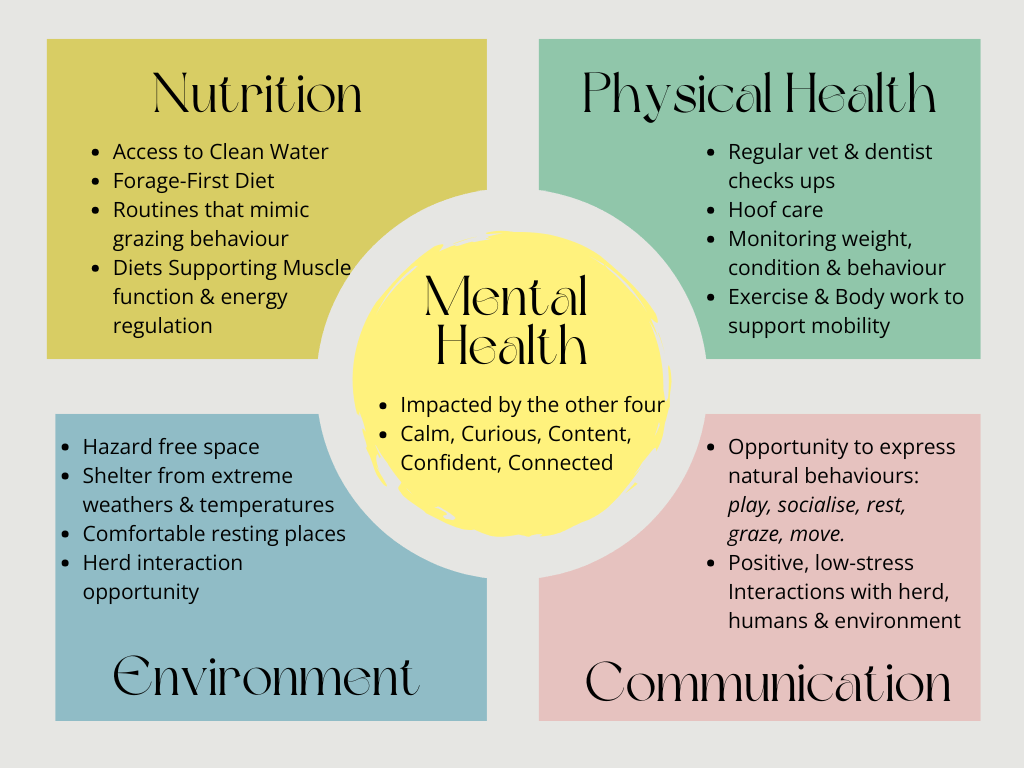
Fig 1: The Five Domains Model of Animal Welfare
1. Nutrition
Good nutrition is essential for both physical comfort and emotional stability. It’s one of the first things Helen considers when assessing a horse for bodywork or training support. Horses who have steady access to forage tend to be calmer, more relaxed, and more receptive to bodywork and positive reinforcement training. Remember ‘a healthy gut makes for a happier horse’.
2. Environment
A horse’s environment has a big influence on their posture, their movement patterns, and their emotional well-being. Many of the tight or compensatory patterns Helen sees during bodywork sessions begin with environmental challenges. A supportive environment allows the body to soften, realign, and heal.
3. Physical Health
For horses to benefit fully from bodywork and training, their basic health needs must be consistently met. This is because the most effective body work is when overall health is supported. Any pain is eliminated, reduced or managed and mobility is encouraged, consequently training becomes clearer and more enjoyable.
4. Communication
Behaviour is the more obvious form of communication, seen as information not something to suppress, it becomes a conversation rather than a struggle. Observe a horses subtle expressions, body language, and learned responses. Trust develops, learning becomes joyful and both feel empowered not pressured. The correct use of positive reinforcement training with horses can support core qualities of: calmness, curiosity, clarity, confidence, compassion, courage, creativity and connectedness, which some readers may recognise from Internal Family System (IFS) therapy. Rather than using the comparison ‘a blade of grass never ran from a horse’ which infers training being compared to a prey – predator relationship. If we acknowledge a horse needs to forage for around 16 hours a day, and that training does not have to impact on that schedule with the use of postive reinforcement. As a result, horses at liberty will often choose to come into the arena to ‘play’ for forage such as hay cobs rather than remain eating grass/hay.
5. Mental and Emotional Health
The emotional wellbeing of each horse is at the heart of our work. Everything in the first four domains impacts how a horse feels moment to moment and the emotions impact on mental resilience. The goal is therefore to create relaxation, security, confidence and positive associations with communications with other horses and humans. A healthy mental body allows the body to release tension more easily during bodywork and helps training progress with softness and clarity. As some readers are aware, the fascia holds blocked emotions and this is why some horses need some processing time after a body work session and not be expected to head into physical work.
In Summary, the Five Domains Guide Us
- To look beyond symptoms and see the whole horse
- To make gentle, supportive choices in handling and training
- To create integrated care plans that consider movement, comfort, and emotional safety
- To support horse guardians in developing positive, ethical relationships with their horses
- To ensure every horse receives compassionate, personalised care
Whether we are working hands-on during a bodywork session or teaching a horse new skills using positive reinforcement, the welfare of the horse stays at the centre of every decision.
Supporting Horses with Compassion and Understanding
To help horses feel comfortable in their bodies, confident in their minds, and understood by their humans.
Again, we are incredibly grateful for the supportive, compassionate clients and followers who share this journey with us. Your dedication to your horses’ well-being is what makes this work so meaningful.
If you’d like a personalised assessment, bodywork session, or guidance on positive reinforcement, we’re always here to help.
Need Support?
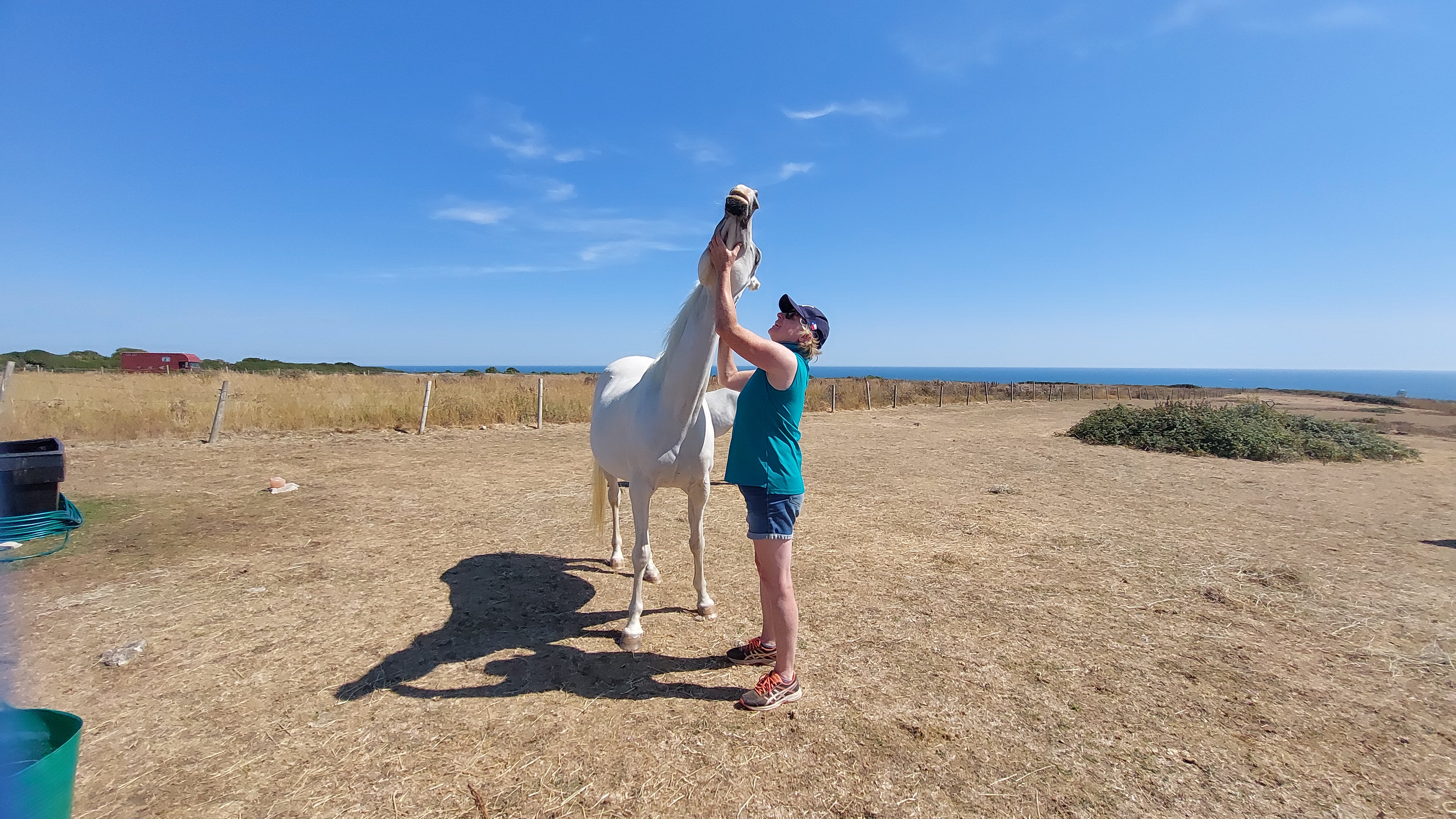
Helen’s holistic approach combining equine massage, myofasical release and gentle energetic technqiues can help your horse feel safer, freer and more understood.
 Forest Edge Therapy
Leave a comment